Spenden
- Activities
- About NetAP
- Your help
- Education
- Media


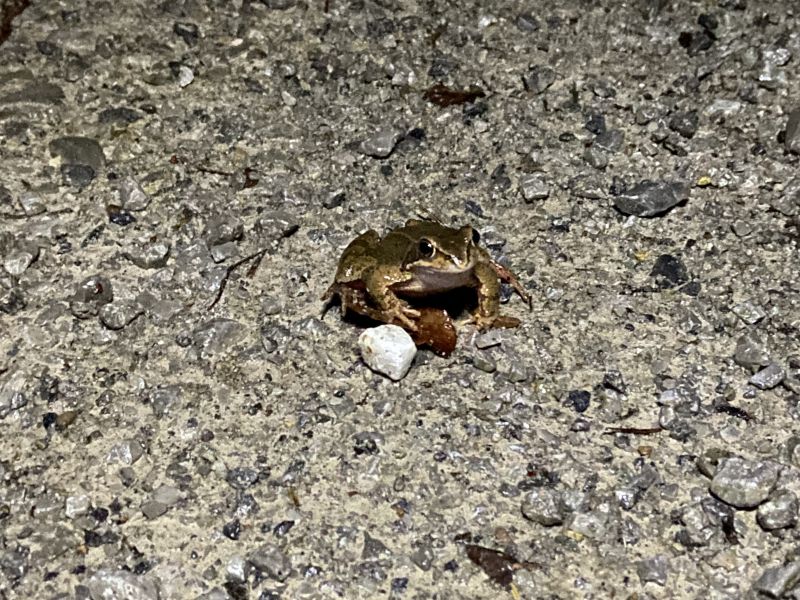
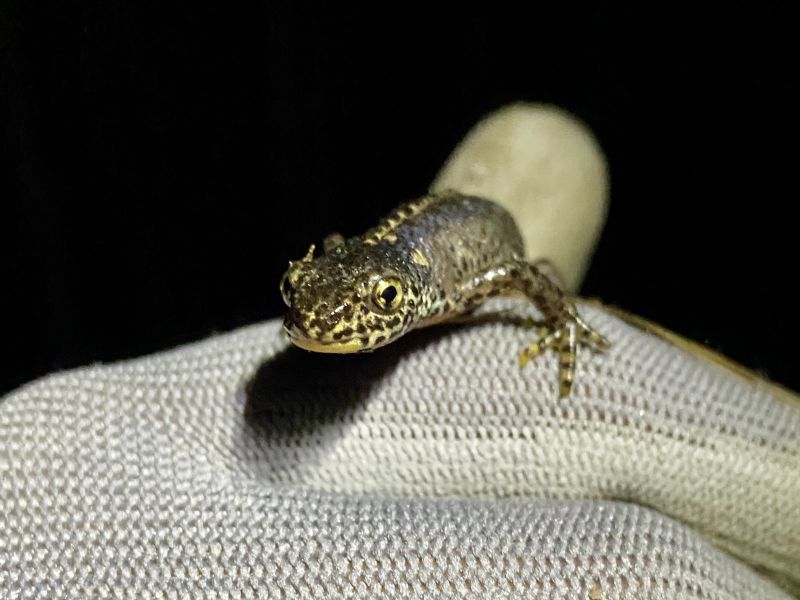
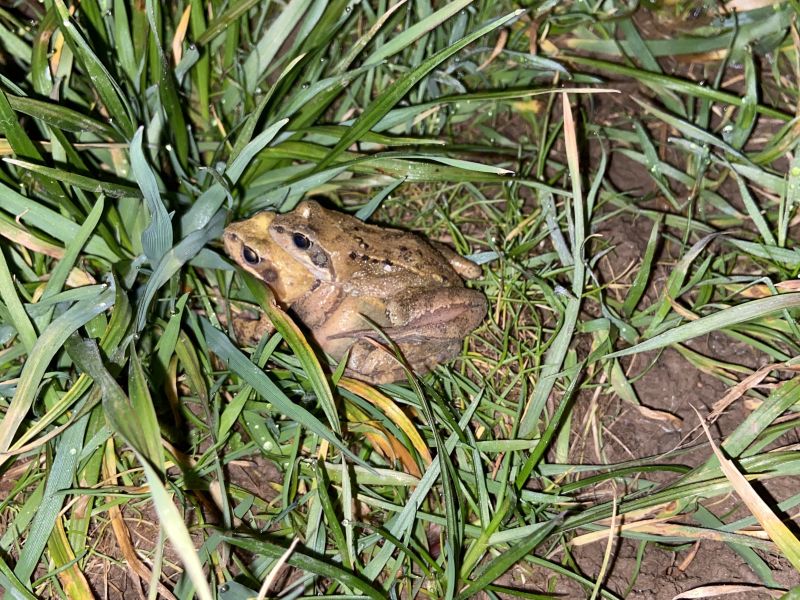
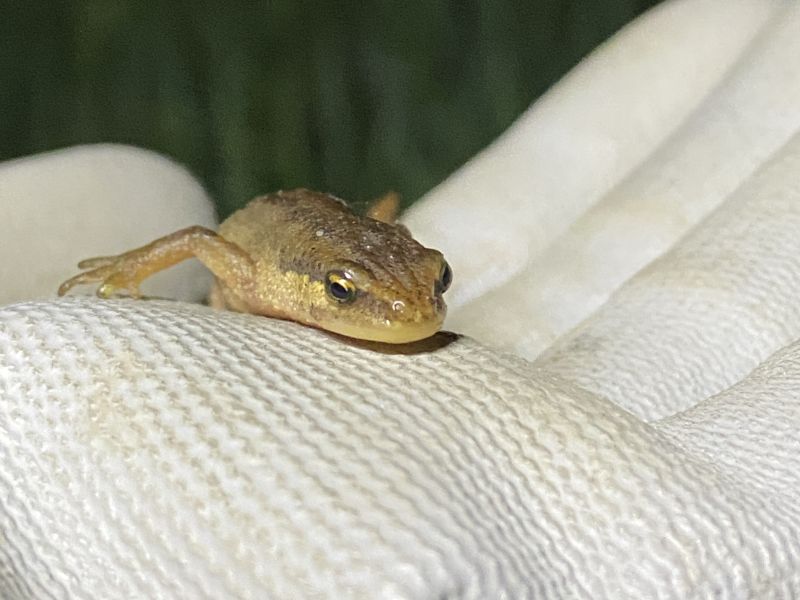
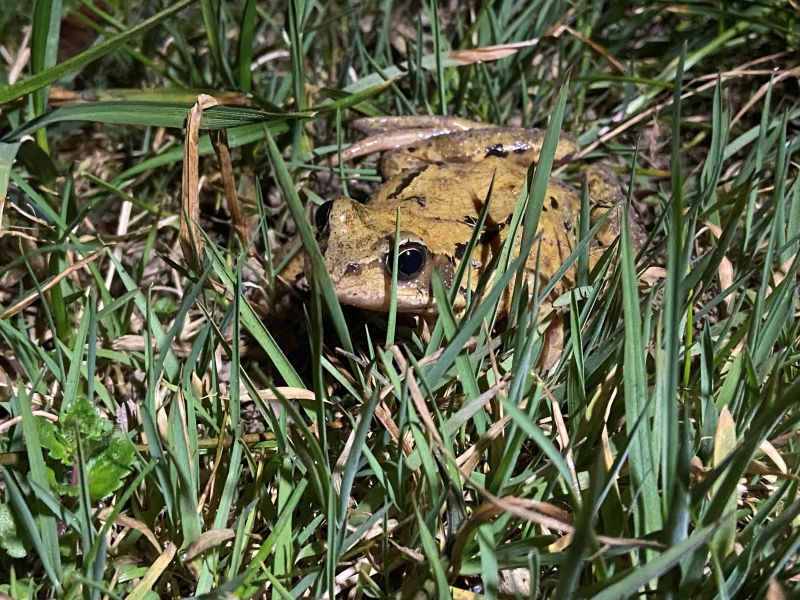
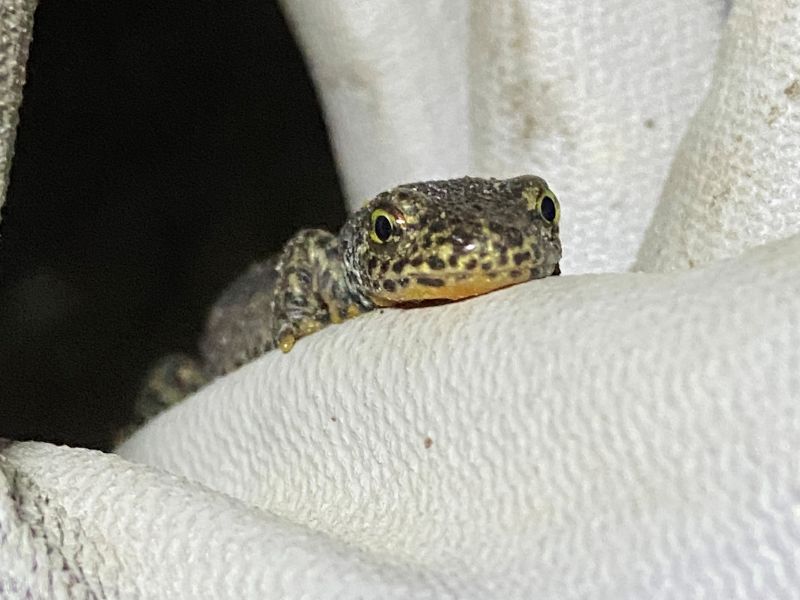
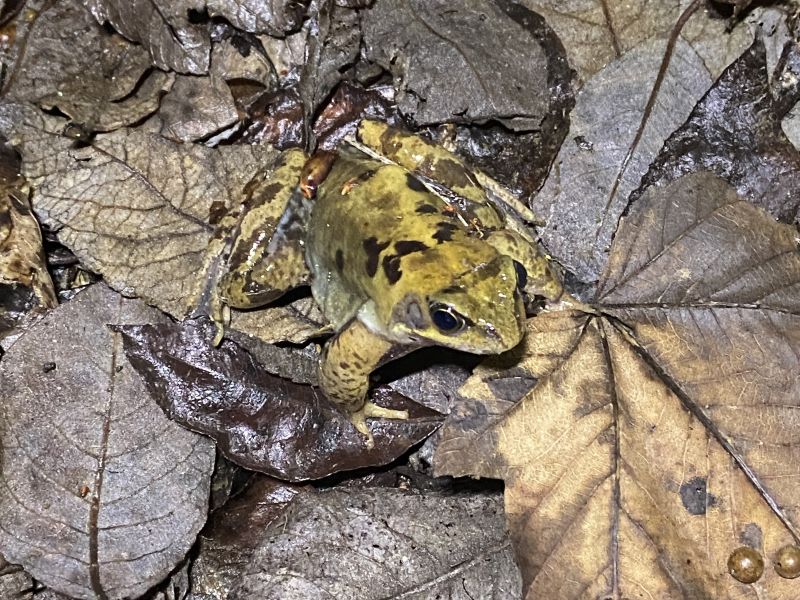
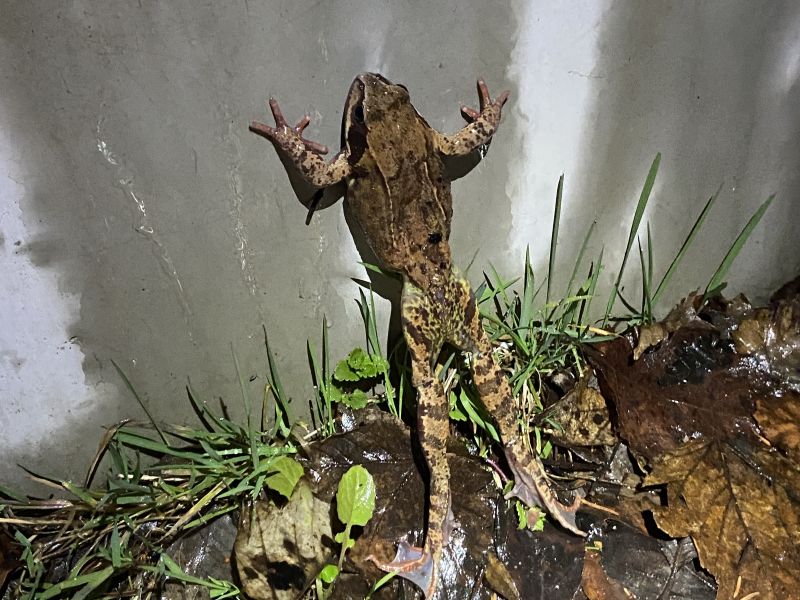
Amphibians are seriously endangered worldwide, and particularly in Switzerland. The biggest problem is habitat loss. Over the last 150 years, 90% of wetlands have been drained. Of the 19 native species, 14 are considered endangered. Frogs, newts, salamanders, toads and tree frogs therefore need protection!
Amphibians are seriously endangered in Switzerland. In addition to the destruction of their habitats and breeding waters, they are also threatened by predators, diseases, pesticides, fertilisers and manure.
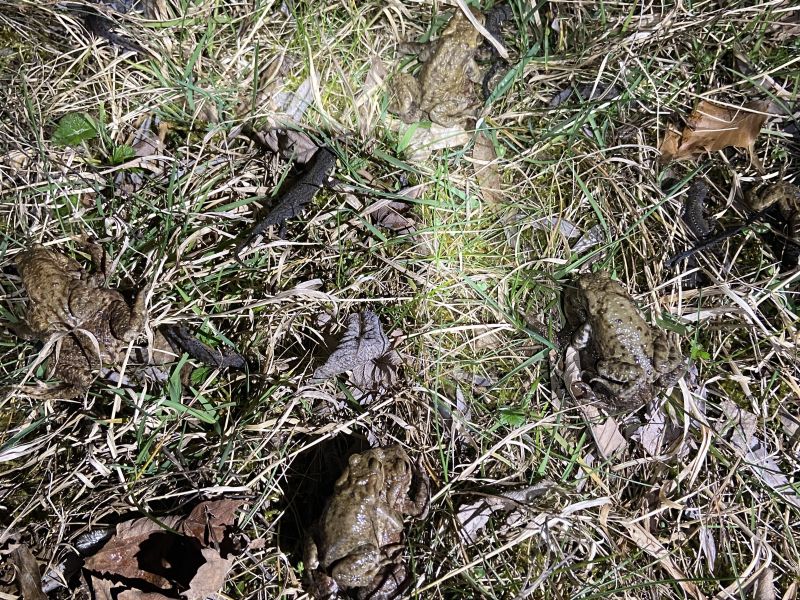
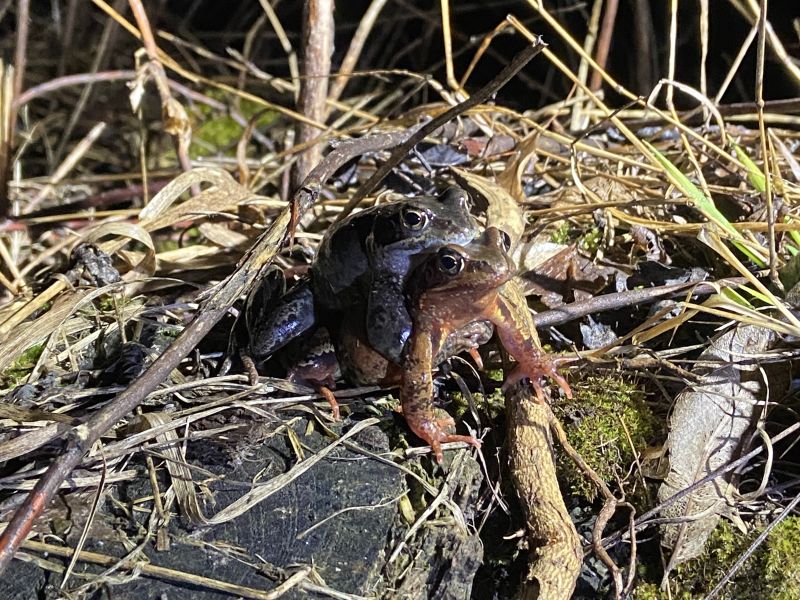
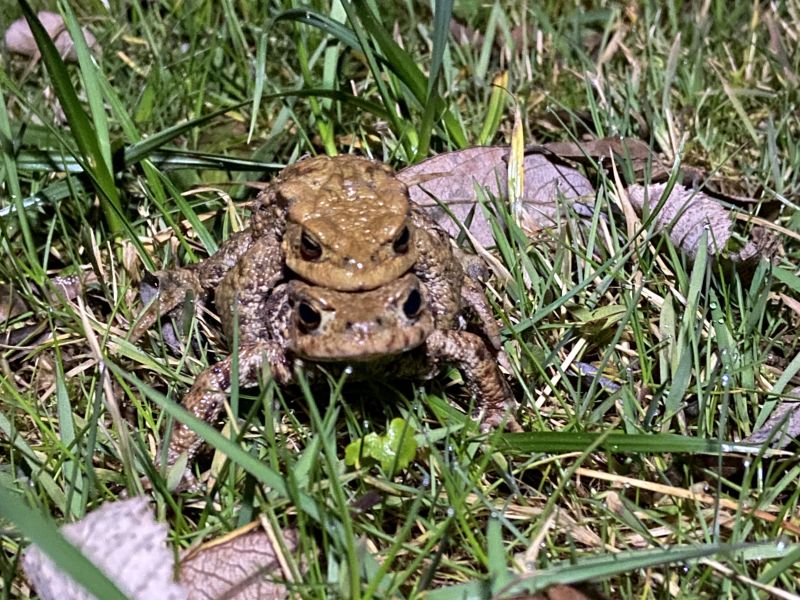
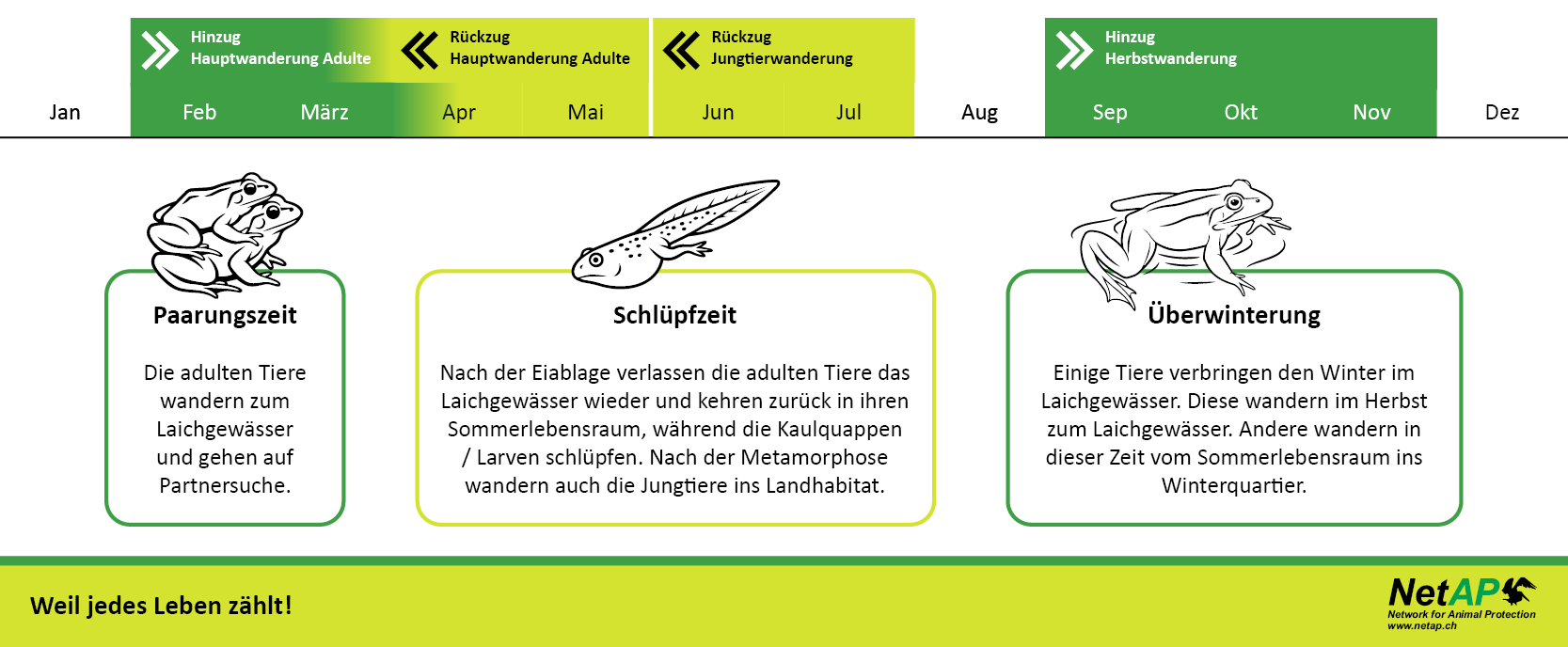
Traffic also causes mass deaths when amphibian migration begins after winter and no protective measures are taken. Many species do not hibernate in their traditional ponds, but on land. As soon as temperatures rise, depending on the species from 5 to 8 degrees above zero, newts, toads and frogs set off en masse from their land habitats to their spawning grounds. Depending on the weather, this migration and simultaneous search for a mate can begin as early as mid-February. The animals cover distances of up to several kilometres, unfortunately also crossing dangerous roads or railway tracks. The main migration of adult animals usually takes place between February and May, which includes both the arrival (spawning migration) and the retreat (after mating and laying eggs, the animals migrate back to their terrestrial habitat).
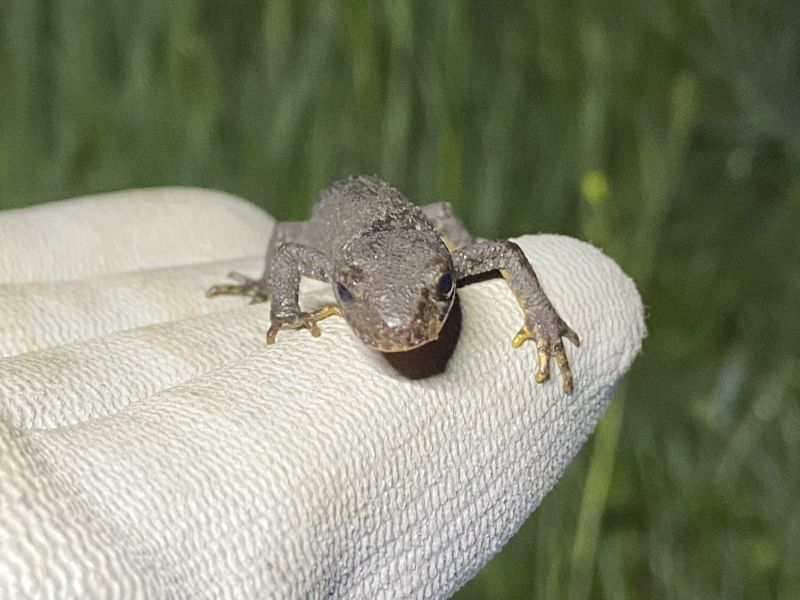
After hatching and growing up in the spawning waters, the young animals migrate to their terrestrial habitat for the first time in summer. Some animals spend the winter in the spawning waters. These migrate to the spawning waters during the autumn migration. However, the migration of young animals and the autumn migration are less widespread and therefore do not require intensive monitoring by volunteers, but are protected by appropriate structural measures.
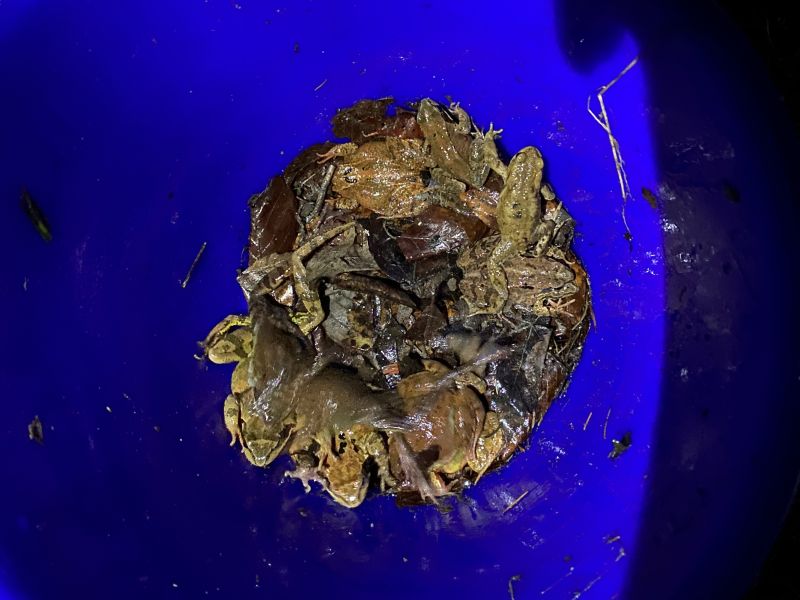
To prevent mass deaths on the roads, numerous road sections are closed at night every year, protective structures such as small animal passages with guide rails and stop channels are built, and countless amphibians are carried across the road by animal lovers. Unfortunately, however, such measures are still far from being in place for all affected road sections, and caution is therefore advised.
To help amphibians, we recommend:
Pay attention to signs: Well-known hiking sections are often marked with an amphibian warning triangle. Whenever possible, you should avoid these sections of road.
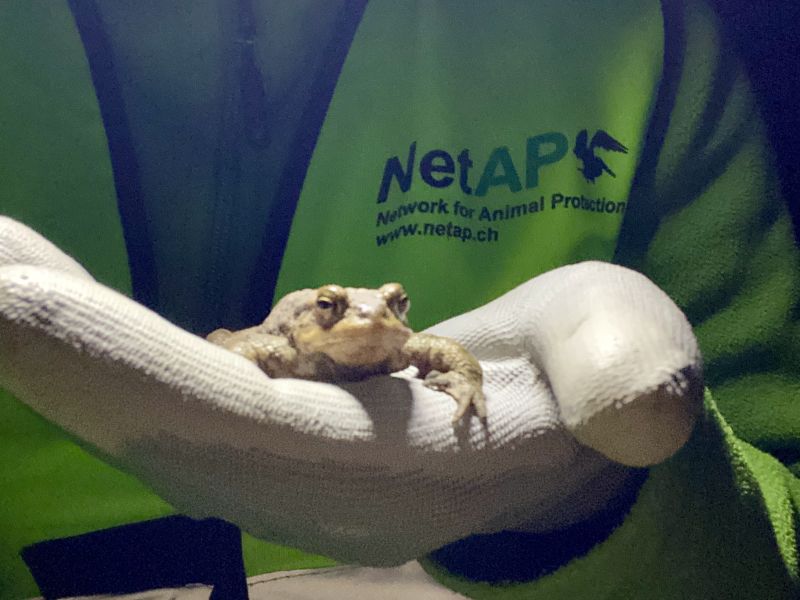
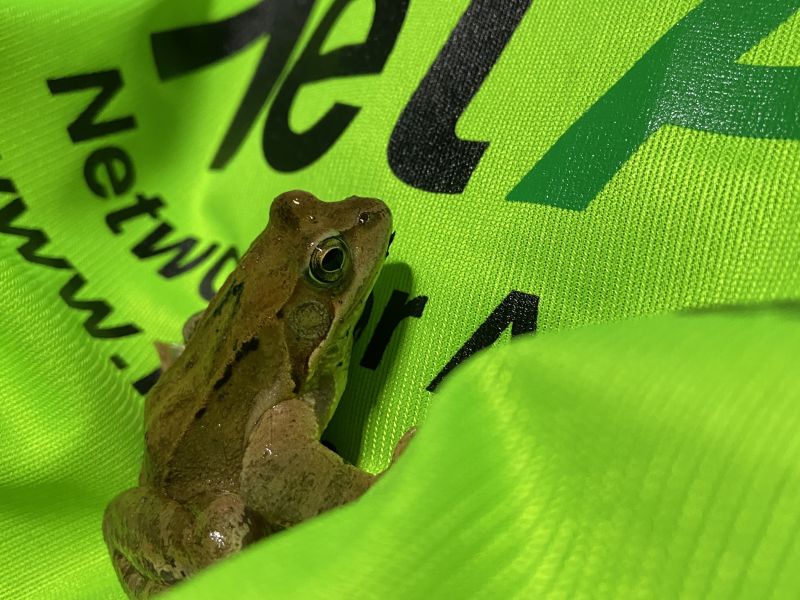
Slow down: If it is not possible to take a detour, speed should be reduced to below 30 km/h, especially at dusk and at night. Even if a toad or frog is between the wheels rather than under them, the negative pressure under the car will still kill the animal. The slower you drive, the higher the chance of survival. At the same time, reducing speed also increases the safety of volunteers collecting amphibians at the roadside. However, high-visibility vests make the helpers more visible than the amphibians themselves.
Consider the weather and terrain: Rainy evenings and nights are the best time for hiking. In areas close to forests and water, you should always stick to the 30 km/h speed limit.
Get involved: Various local authorities and nature conservation associations set up amphibian fences at dangerous locations and every year seek volunteers to help guide the amphibians safely across the road at migration points. Migration points and those responsible for them in the region can be found, for example, in the database at infofauna.ch (only for Switzerland).
Amphibians are one of the most endangered animal groups in Switzerland and are therefore protected by law. According to the Federal Office for the Environment (FOEN), 14 of the 19 native amphibian species are considered endangered. Everyone can and should therefore help to protect amphibians.