Spenden

Birds Switzerland

Wildlife conservation
Aktivitäten > Wildlife conservation > Birds Switzerland

There are over 400 different species of birds in Switzerland, around 40% of which are endangered. Wild bird populations reflect the state of our environment. A decline in numbers is a sign that habitats are disappearing. Whilst so-called synanthropic species benefit from human activity, birds that depend on wetlands and ground-nesting birds are particularly at risk.

Why birds need our help

Species decline: A high proportion of native bird species are on the Red List.

Habitat loss: urban sprawl, intensive farming, the disappearance of wetlands and the loss of natural features (hedges, old trees) are destroying nesting sites and food sources.

Food shortage: The decline in insect populations is depriving many species of their means of survival, particularly when raising their young.

Dangers in urban areas: glass fronts, traffic and domestic cats cause many injuries and deaths.

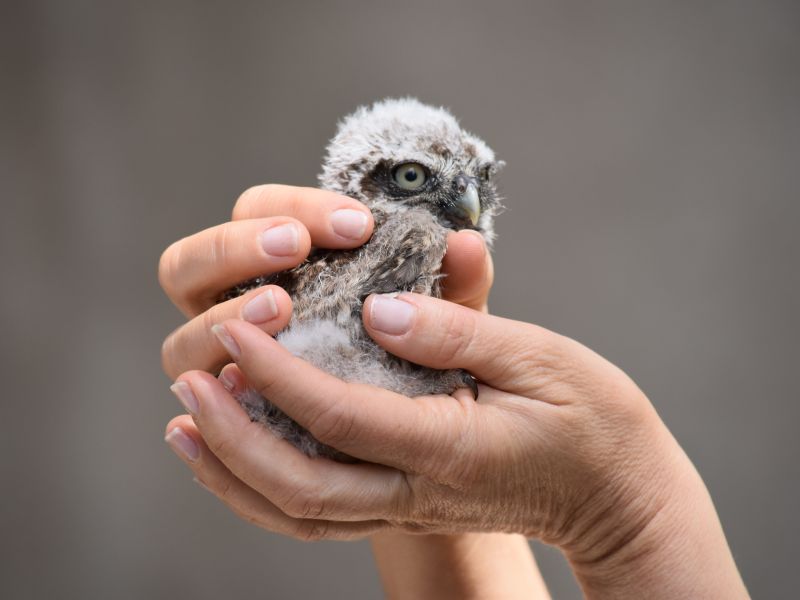
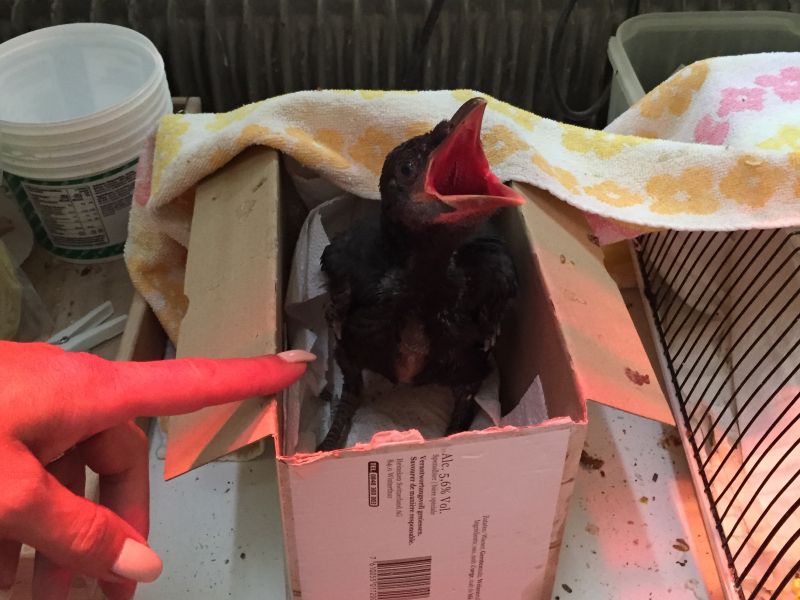
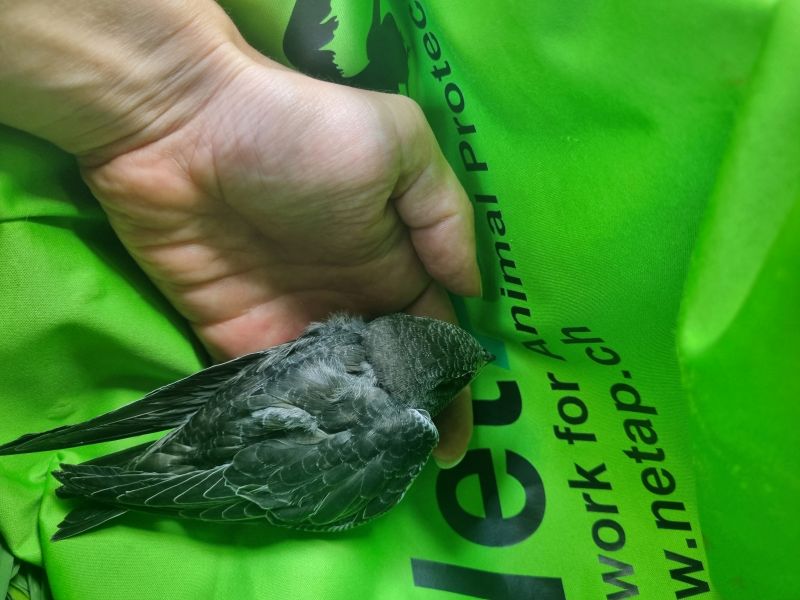
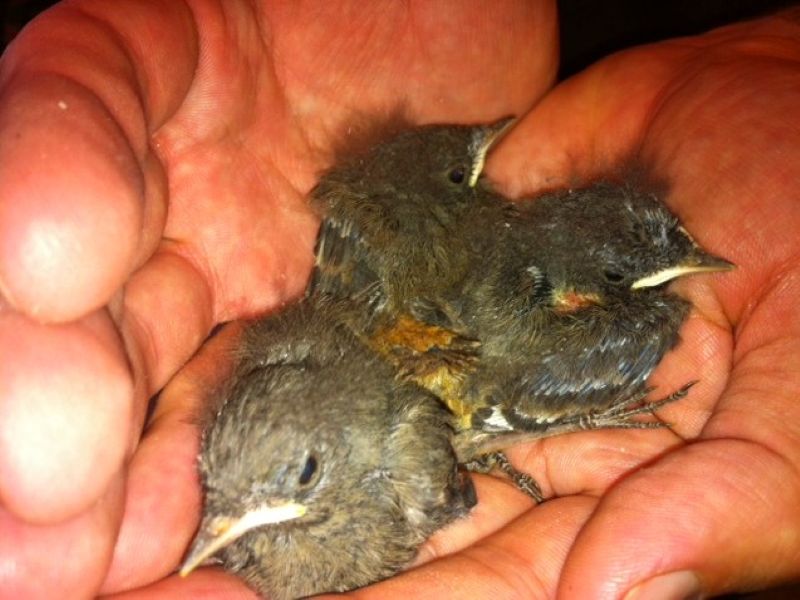
Injured birds/nestlings: Injured birds or chicks with very little plumage require professional care from wildlife rescue centres.

A bird needs help when …

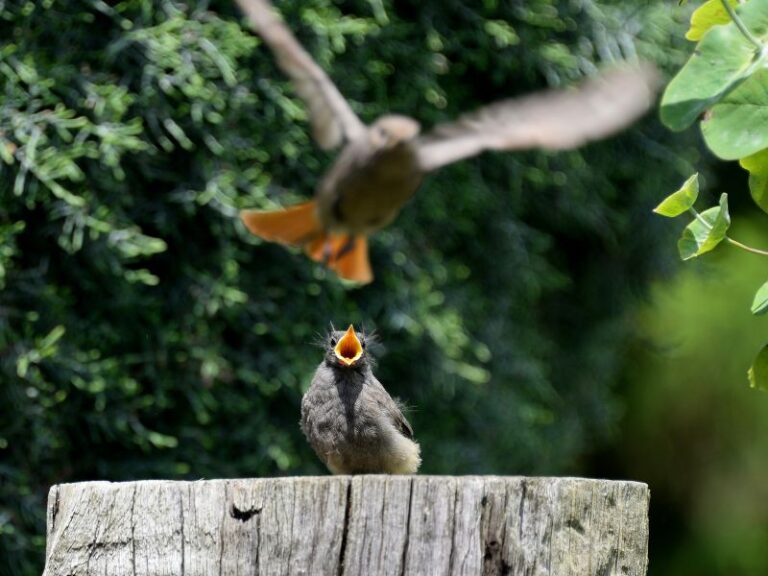
  • it is not yet fully feathered and cannot be returned to its nest.

  • Swifts or alpine swifts are found on the ground.

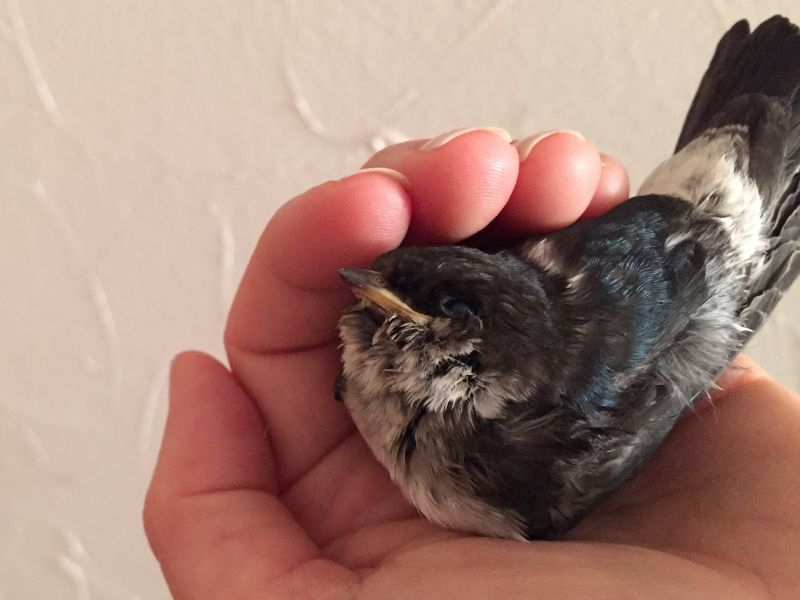
  • it is injured.

Legal information

Birds are wild animals. It is illegal to catch or take a bird without good reason. This also applies to young birds that appear to have fallen out of their nests. Exceptions are made if a bird is in distress. In such cases, you should contact a specialist organisation immediately. They will then decide what should happen to the bird.

Media and further links

Cats and birds

Cats are natural-born hunters. To protect birds, we need to make it harder for them to hunt them.
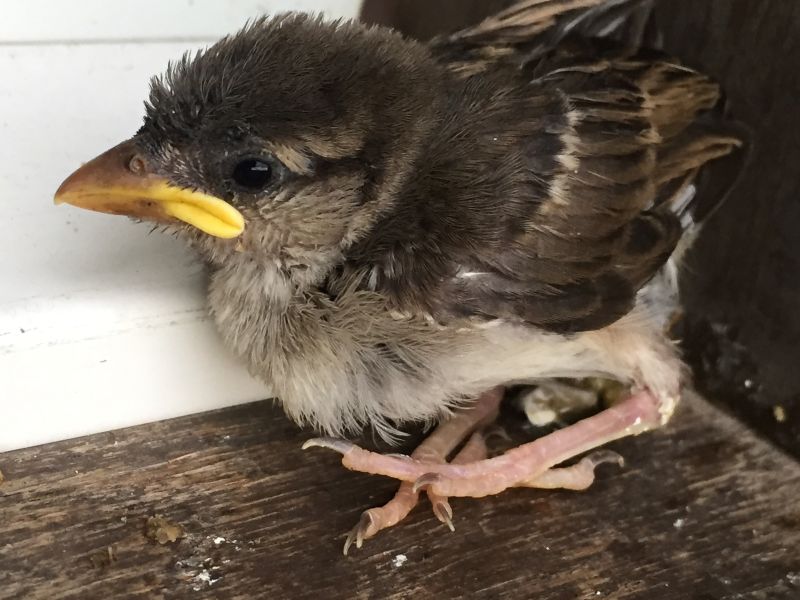
  • Create plenty of hiding places and nesting sites by designing your garden to be as natural as possible. Dense hedges, bushes and natural habitats provide sheltered habitats for both birds and other small animals. Avoid pruning bushes, hedges and trees from mid-March onwards at the latest.
  • Protect bird nesting sites and habitats for amphibians and reptiles from cats by making it difficult for them to access these areas, for example by using wire mesh. For trees, metal or plastic sleeves are recommended. Please do not use barbed wire, as this can injure cats and other animals.
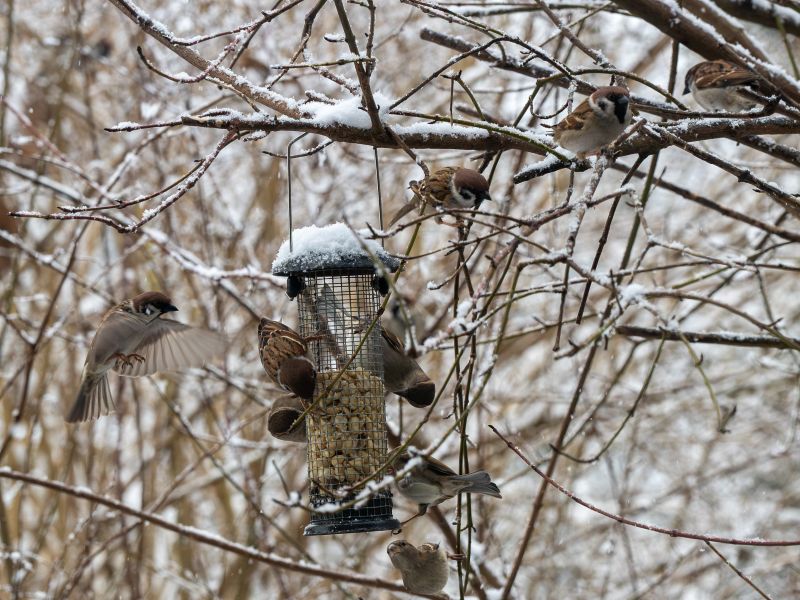
  • Bird baths and bird feeders should be placed in open areas where cats cannot sneak up unnoticed.
  • Hang nesting boxes at least two metres above the ground. Use nesting boxes with steep, smooth roofs that cats cannot grip.
  • Check whether your cat’s hunting success decreases when it wears a coloured collar or a bell (on its safety collar) whilst outdoors.
  • Have your cat neutered. Neutered cats have a smaller territory.
  • Play with your cat regularly. Cats that have worn themselves out playing are less likely to feel the need to satisfy their instincts outdoors as well.
  • Feed the birds generously with good quality food! As paradoxical as it may sound, numerous observations suggest that the more birds there are feeding at a feeding station, the less likely they are to fall prey to cats. The birds seem to warn one another; they expend less energy foraging and are therefore more alert. And flocks of birds are less attractive to cats because they cannot focus on a single bird.
  • Keep your cats indoors for a few days when young birds are learning to fly in the neighbourhood.

Alleviate current animal suffering and prevent future misery: your donation makes it possible!